Refugee Convention claim
A person may seek refugee status where they fear persecution for a Convention reason and cannot obtain effective protection in their country.

Asylum and human rights applications require a careful review of the feared harm, events leading to the claim, risk on return, immigration history, personal or family circumstances and the evidence available to support the case.
Important events, dates, risks, medical or family circumstances and supporting evidence should form one consistent account.
An asylum claim may be made by a person at the UK border or already in the United Kingdom who says they cannot return safely because they fear persecution.
The claim should explain who or what is feared, why the person is at risk, whether the risk is connected to a protected reason and why effective protection or safe internal relocation is unavailable.
Human rights applications may instead concern serious harm, medical circumstances, private or family life, children, dependency or other exceptional circumstances. The appropriate procedure should be identified before evidence is prepared.
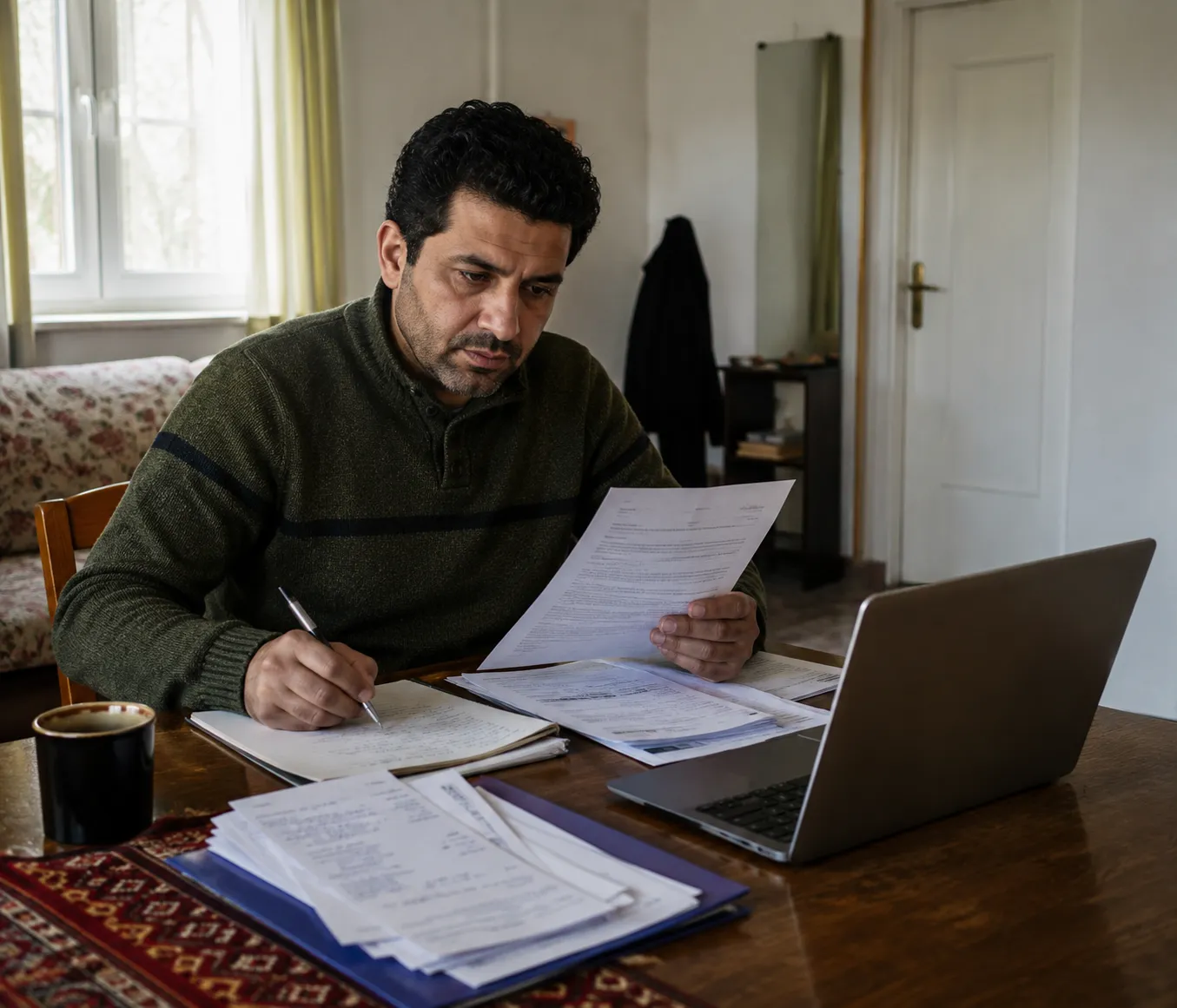
Dates, locations, events, immigration records and supporting documents should agree.
These categories provide a general overview only. The correct basis depends on the feared harm, personal circumstances, available evidence and the procedure through which the claim is raised.
A person may seek refugee status where they fear persecution for a Convention reason and cannot obtain effective protection in their country.
A person who does not qualify as a refugee may still raise a protection claim where return would expose them to a real risk of serious harm.
A human rights claim may rely on a real risk of torture, inhuman or degrading treatment, including evidence concerning serious medical or personal circumstances.
Article 8 issues may arise where removal would interfere with established private or family life and the individual circumstances require careful assessment.
An asylum claim focuses on fear of persecution and the need for international protection. It is registered through the asylum process while the person is in the UK.
Other human rights claims may arise through a different immigration application or claim and can involve serious harm, medical circumstances, or private and family life.
Eligibility depends on the feared harm, reason for the risk, protection available, personal and family circumstances, immigration history and the particular protection or human rights basis relied on.
A refugee claim requires a detailed account of why the person fears persecution and why effective protection or safe return is not available.
Humanitarian protection may need to be considered where the person does not qualify as a refugee but says return would expose them to serious harm.
A human rights claim may rely on a real risk of prohibited treatment, including evidence about health, vulnerability, access to treatment and conditions on return.
Private or family life, a child’s welfare, dependency or other exceptional circumstances may need assessment under the relevant immigration rules and Article 8.
The application or claim should identify the legal basis relied on and present a complete, chronological account of the feared harm and relevant human rights circumstances.
The assessment may involve credibility, country information, protection available, medical or family circumstances, immigration history and the supporting evidence submitted.
The account should explain important events, dates, places, people involved, attempts to obtain protection, departure and the reasons the person fears return.
The claim should explain who is feared, why the person is at risk, whether the harm is connected to a protected reason and why effective protection is unavailable.
Medical issues, trauma, disability, trafficking indicators, family relationships, a child’s welfare and other human rights matters should be explained with specific evidence.
Travel routes, previous claims or applications, decisions, documents used, criminal matters and all relevant immigration history should be disclosed accurately.
The nature of the feared harm, credibility, vulnerability, country information, previous decisions and the evidence available can affect how the claim is assessed.
Documents should support identity, immigration history, important events, the claimed risk on return and any medical, family, dependency or other human rights circumstances.

The evidence required depends on the protection or human rights basis and individual circumstances. These groups provide a practical starting structure.
Confirm identity, nationality, travel route, current position and previous immigration or asylum history.
Prepare a detailed account explaining the relevant events, feared harm, departure, travel and reasons return is said to be unsafe.
Support the claimed risk with evidence concerning the feared actor, relevant events, protection available and current country conditions.
Support health, vulnerability, family life, dependency, children’s welfare or other human rights matters with evidence specific to the person.
Evidence should be complete and readable. Documents not in English or Welsh may require an appropriate certified translation.
A structured process helps keep the legal basis, personal chronology, screening or application information, interview evidence and supporting documents consistent throughout the case.
Review the feared harm, current safety, vulnerabilities, family circumstances, immigration position, previous decisions and any urgent procedural deadlines.
An asylum claim is registered through screening at the border or by appointment from within the UK. Other human rights claims may require a different application or procedure.
Prepare a detailed chronology, identify supporting evidence, address gaps or inconsistencies and follow any directions for providing documents or further information.
Follow instructions for screening, interview, questionnaires, biometrics, document submission or further information. Raise interpreting, medical, trauma, disability or safeguarding needs as early as possible.
Retain copies of the statement, interview record, evidence and correspondence. When the decision is received, review the status granted, conditions, reasons and any available appeal or refusal options promptly.
Screening, interview, document-submission, biometric and further-information requirements can depend on the type and stage of the claim.
General answers about claiming asylum in the UK, eligibility, screening, interviews, supporting evidence, human rights applications and possible outcomes.
Prepare a short summary of the feared risk, important events, current status, family or medical circumstances, previous claims and evidence available.
Start Your EnquiryA UK asylum claim is made at the border or when the person is already in the United Kingdom. It is not submitted as an overseas visa application.
Review the official GOV.UK asylum guidance . Someone seeking to enter for another purpose should review the relevant visit, study or work visa routes .
Official guidance says a person should claim on arrival or as soon as they believe return would be unsafe. Delay can raise questions, so the reasons for any delay should be explained accurately.
The official claim-asylum guidance explains when a claim should be made.
Screening registers the claim and checks identity, nationality, family details, medical needs and basic information about why protection is sought. Fingerprints and a photograph are normally taken.
Review the official asylum-screening guidance for current information.
The interview is an opportunity to explain what happened, why return is feared and the evidence relied on. The person should raise everything they want considered and explain any difficulties affecting their account.
Many claimants are invited to explain their protection claim during a substantive asylum interview. The person should explain the relevant events, feared risk and evidence and raise any interpreting or vulnerability needs.
The exact stage can vary. Review the official asylum-interview guidance .
Asylum concerns international protection from persecution. Other human rights claims may concern serious harm, medical circumstances or private and family life and may follow a different application or claim process.
Asylum concerns international protection from persecution. Human rights applications may instead concern serious harm, medical circumstances, private life, family life, children, dependency or exceptional circumstances.
Where the matter concerns a partner, parent or child, review the relevant family and partner visa routes and private and family life applications .
Official decision-making guidance is available in the GOV.UK family-life and exceptional-circumstances guidance .
The person should follow all interview, identity and document instructions. A successful claim may result in refugee status, humanitarian protection or another form of permission; a refusal should be reviewed promptly for any appeal or other next step.
A successful claim may result in refugee status, humanitarian protection or another form of permission. The decision notice should be checked for the status granted, its duration, conditions and any required next steps.
If the claim is refused, review the reasons and available appeal or refusal options promptly.
Review the official asylum-decision guidance for the current position.
Discuss the feared harm, personal chronology, immigration history, medical or family circumstances, current claim stage, supporting evidence and the procedure that may apply before moving forward.